What Is Obstructive Sleep Apnoea?
Symptoms, Risks, and How Specialist Sleep Care Can Help
Obstructive sleep apnoea (OSA) is one of the most common — and frequently undiagnosed — sleep disorders. While many people associate it simply with snoring, it is in fact a condition that affects breathing, sleep quality, daytime function, and long-term health.
Left untreated, OSA can significantly impact energy, cognitive performance, mood, and cardiovascular risk. The encouraging reality is that it is highly treatable, and many individuals experience substantial improvements once it is identified and managed appropriately.
Grace London Clinical Perspective
Obstructive sleep apnoea exists on a spectrum, ranging from mild airflow limitation to repeated complete airway obstruction during sleep. While some individuals may only experience snoring, others develop significant sleep fragmentation and oxygen desaturation that affect both short-term wellbeing and long-term health.
At Grace London, we assess OSA within the broader context of airway anatomy, sleep physiology, metabolic health, and lifestyle factors. Early identification is particularly important where symptoms affect daytime alertness or safety — especially driving — as untreated sleep apnoea can impair reaction time and increase accident risk.
What Is Obstructive Sleep Apnoea?
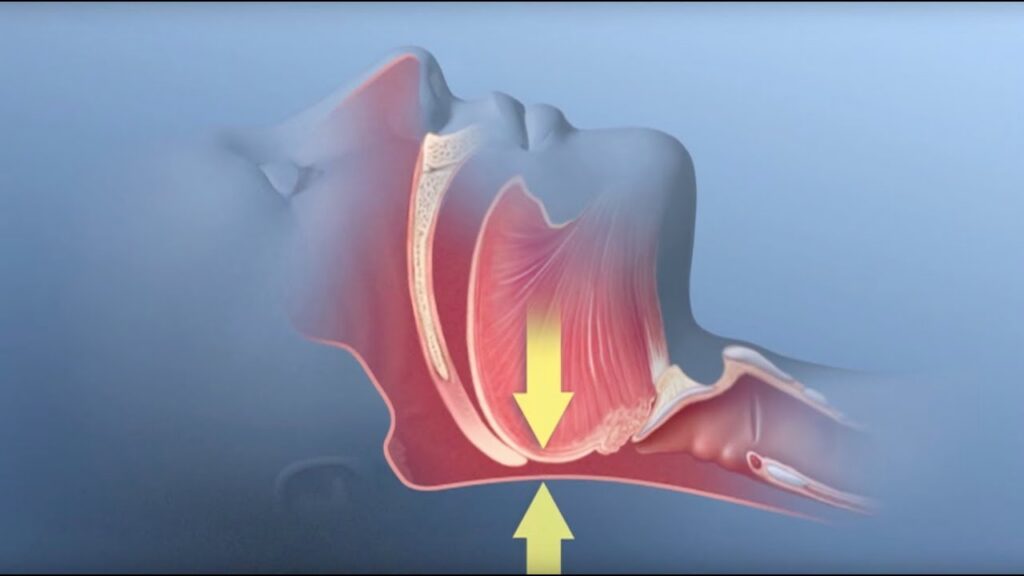
OSA occurs when the upper airway repeatedly narrows or collapses during sleep, leading to partial or complete pauses in breathing.
These events can last from a few seconds to over a minute and may occur dozens or even hundreds of times per night.
Each episode typically results in:
- Reduced oxygen levels
- Brief awakenings or “micro-arousals”
- Fragmentation of sleep architecture
- Activation of the stress response
Although individuals are often unaware of these interruptions, they significantly reduce the restorative quality of sleep.
How Common Is Sleep Apnoea?
OSA is highly prevalent and often underdiagnosed.
Large population studies suggest:
- Approximately 1 in 3 adults may have some degree of sleep-disordered breathing
- Moderate to severe OSA affects around 5–10% of adults
- Prevalence increases with age
- Higher rates are seen in men, though this gap narrows after menopause
A substantial proportion of cases remain undiagnosed, particularly in individuals who attribute symptoms to stress, ageing, or lifestyle factors.
What Causes Obstructive Sleep Apnoea?
OSA is caused by a combination of anatomical and physiological factors that increase airway collapsibility during sleep.
Anatomical Factors
- Narrow upper airway
- Enlarged tonsils or soft palate
- Larger tongue base
- Retrognathia (set-back lower jaw)
- Nasal obstruction
Physiological Factors
- Reduced muscle tone during sleep
- Instability in breathing control
- Increased airway resistance
Lifestyle and Health Factors
- Excess body weight
- Alcohol use (particularly in the evening)
- Sedative medications
- Smoking
- Chronic nasal congestion
Genetic influences also play a role, particularly in craniofacial structure and fat distribution patterns.
What Do Partners Notice?
OSA is often first identified by a partner or household member.
Common observations include:
- Loud, habitual snoring
- Pauses in breathing during sleep
- Gasping or choking episodes
- Restless or disturbed sleep
- Sudden awakenings
Partners may also report that snoring varies in intensity or is punctuated by periods of silence followed by gasping — a classic pattern of obstructive events.
Symptoms Experienced by the Individual
Individuals with OSA may experience:
- Persistent tiredness or fatigue
- Daytime sleepiness
- Morning headaches
- Dry mouth on waking
- Poor concentration or memory
- Reduced cognitive performance
- Irritability or mood changes
- Reduced libido
In some cases, symptoms are subtle, and individuals may not recognise the degree of impairment until treatment begins.
When Does Snoring Become Sleep Apnoea?
Snoring exists on a continuum. Occasional or mild snoring may be benign, but loud, habitual snoring associated with other symptoms increases the likelihood of OSA.
Key indicators that snoring may represent something more significant include:
- Witnessed breathing pauses
- Gasping or choking during sleep
- Excessive daytime sleepiness
- Poor concentration or cognitive decline
- Non-refreshing sleep
If these features are present, further assessment is advisable.
Impact on Daytime Function and Quality of Life
OSA affects far more than night-time breathing.
Common consequences include:
Reduced Alertness
Daytime sleepiness can impair:
- Attention and reaction time
- decision-making
- work performance
Increased Accident Risk
Untreated OSA is associated with a significantly increased risk of road traffic accidents, comparable in some cases to alcohol impairment.
Mood and Emotional Regulation
Individuals may experience:
- irritability
- low mood
- reduced resilience to stress
Appetite and Weight Regulation
Sleep disruption affects hormones involved in hunger and satiety, potentially contributing to:
- increased appetite
- weight gain
- difficulty losing weight
Overall Quality of Life
Chronic sleep disruption can affect relationships, productivity, and general wellbeing.
Long-Term Health Consequences
If left untreated, OSA is associated with increased risk of:
- Hypertension
- Cardiovascular disease
- Stroke
- Type 2 diabetes
- Cognitive decline
The repeated cycles of oxygen desaturation and stress activation place strain on multiple organ systems over time.
Benefits of Diagnosis and Treatment
The positive impact of diagnosing and treating OSA can be substantial.
Many individuals experience:
- Improved energy and alertness
- Better cognitive performance
- Enhanced mood and emotional stability
- Reduced cardiovascular risk
- Improved metabolic health
- Better overall quality of life
Treatment can be transformative, particularly for individuals who have experienced symptoms for many years.
How Is Obstructive Sleep Apnoea Diagnosed?
Diagnosis typically involves an overnight sleep study.
Home Sleep Apnoea Testing (HSAT)
This is the most common first-line investigation and measures:
- Breathing patterns
- Oxygen levels
- Heart rate
- Snoring intensity
HSAT is convenient, comfortable, and performed in the home environment.
Further Assessment
In selected cases, additional evaluation may include:
- More detailed sleep studies
- Upper airway assessment
- ENT or dental review
Treatment Options for Obstructive Sleep Apnoea
Management depends on severity, underlying anatomy, and individual preference.
CPAP (Continuous Positive Airway Pressure)
CPAP is the most effective treatment for moderate to severe OSA. It works by delivering air pressure to keep the airway open during sleep.
Mandibular Advancement Devices (MAD)
Custom dental devices reposition the lower jaw forward, increasing airway space. These are often used in mild to moderate OSA or when CPAP is not tolerated.
Positional Therapy
Encouraging side-sleeping can reduce airway collapse in some individuals.
Weight Optimisation
Weight loss can significantly reduce OSA severity in many cases by decreasing airway narrowing.
ENT Assessment
Specialist evaluation may identify structural factors contributing to airway obstruction. Surgical interventions are considered selectively in individuals with clear anatomical indications.
The Grace London Approach
At Grace London, we provide a multidisciplinary, precision approach to sleep-disordered breathing.
Our team includes:
- Specialist sleep physicians
- ENT surgeons
- Dental sleep medicine practitioners
- Lifestyle and metabolic health experts
We offer:
- Comprehensive clinical assessment
- Advanced home sleep diagnostics
- Personalised treatment pathways
- Ongoing optimisation of sleep and performance
Our focus is not only on treating OSA, but on restoring deep physiological recovery, daytime clarity, and long-term health.
Frequently Asked Questions
Is sleep apnoea serious?
Yes. While it is treatable, untreated sleep apnoea can increase the risk of cardiovascular disease, metabolic dysfunction, and accidents related to sleepiness.
Can you have sleep apnoea without snoring?
Yes, although snoring is common, some individuals may have OSA without prominent snoring.
Do I need a sleep test if I feel tired?
If tiredness is persistent and associated with symptoms such as snoring or sleepiness, a sleep study may be appropriate.
Final Thoughts
Obstructive sleep apnoea is common, often under-recognised, and highly treatable. While it may initially present as snoring or tiredness, its impact can extend across multiple aspects of health and performance.
Early identification and personalised treatment can lead to meaningful improvements in energy, wellbeing, and long-term outcomes.
For many individuals, addressing sleep apnoea is the key step towards restoring restorative sleep, sustained vitality, and optimal daily function.